Stolen keys in Amsterdam are a different problem from lost keys, because someone chose to take them and may know or be able to find out which door they open.
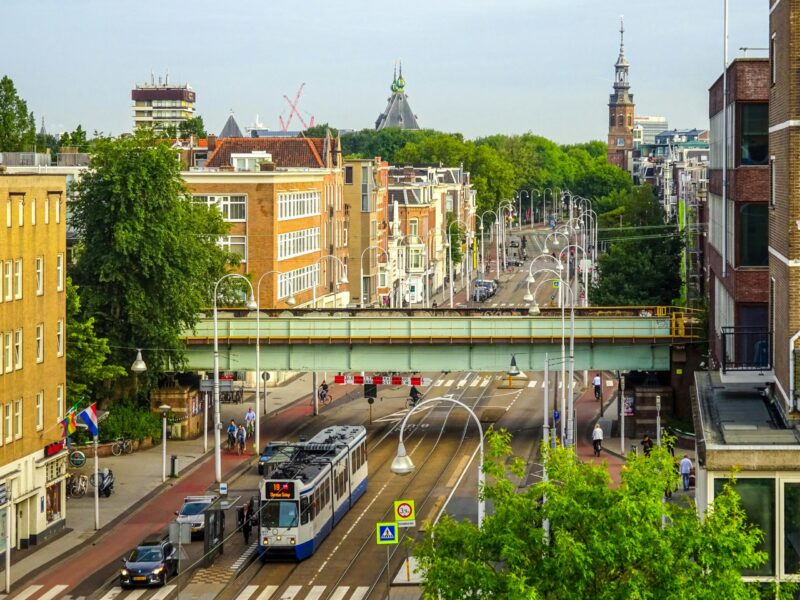
Pickpocketing in Amsterdam concentrates around crowded places: Centraal Station, the trams into the centre, festivals, busy terraces. Wallets and phones are the target, and keys come along in the same bag. Most thieves have no interest in your front door. The trouble is that you cannot know whether yours was one of them.
Work in this order
Block your cards first, because that is the fastest damage. Report the theft to the police, which you will need for insurance and which takes ten minutes online. Then deal with the keys, and deal with them today rather than at the weekend.
If your wallet went with the keys, assume the address is known. Almost every wallet contains something with a home address on it, and that combination is the one worth acting on immediately.
Changing the cylinder
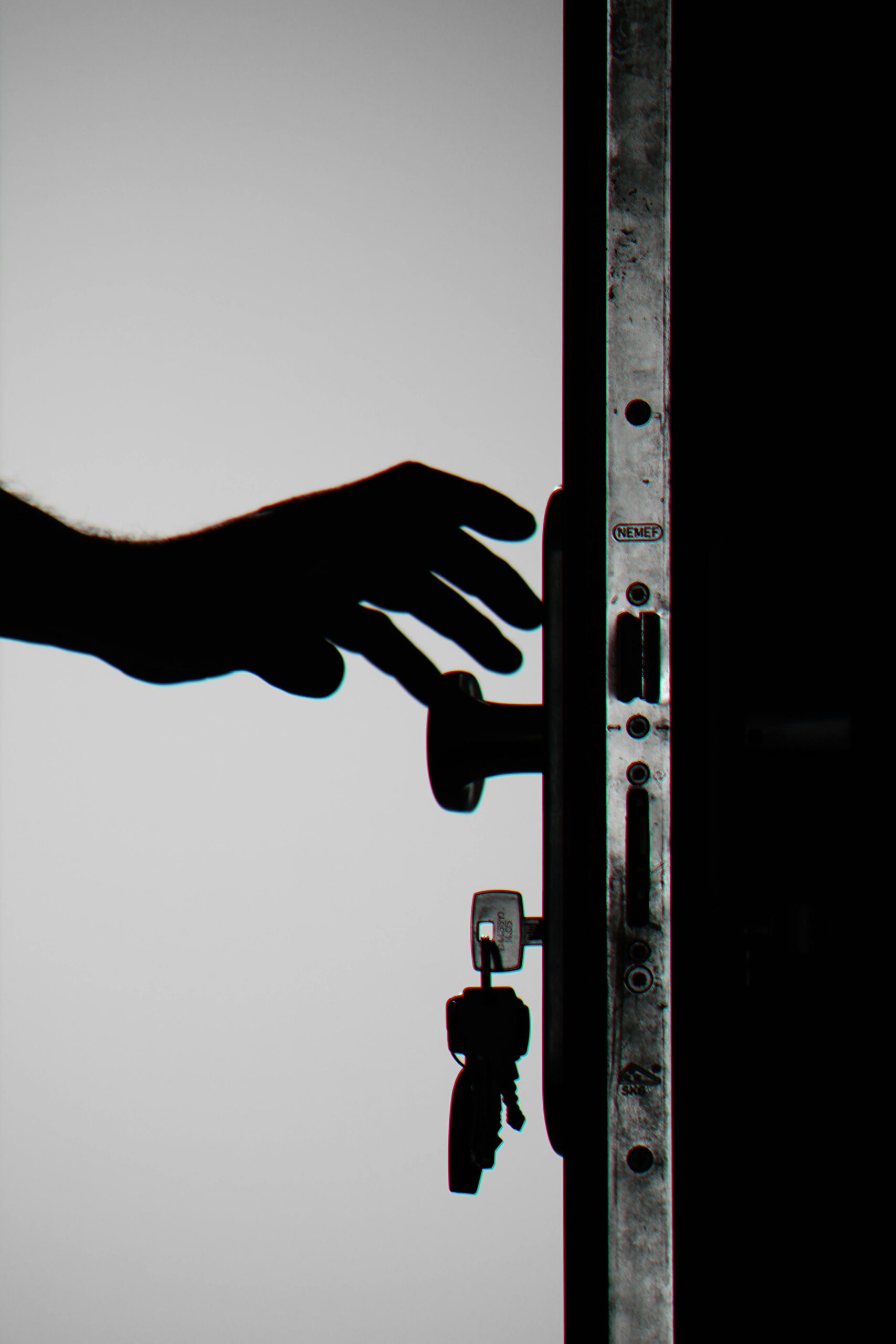
Replacing the cylinder invalidates every existing key without touching the door, the handle or the lock case. It takes about ten minutes on a standard front door and it is the cheapest way to close the whole question. Where the stolen ring also opened a shared street door, tell the VvE or the housing association the same day, because that door is not yours to change alone.
This is standard work and it is described on our locksmith services page.
What your insurer will expect
Policies generally require you to act once you know keys are gone. A police report, an invoice showing the cylinder was replaced, and the date on both, is what makes a later claim straightforward. Leaving it a fortnight and then reporting a burglary is where claims run into trouble.
Making the next theft less useful
Keep keys and identification in separate pockets, so one grab does not deliver both. Take the address tag off the keyring, since it helps a finder far less than it helps a thief. And if you carry a key for work or for a family member, consider whether it needs to travel with you every day at all.
Where it usually happens
Certain situations produce most of these calls: the crush getting onto a tram at Centraal, a terrace where a bag hangs on the back of a chair, a festival crowd, a supermarket where a coat is left in the trolley for thirty seconds. None of them feel dangerous at the time, which is exactly the point. Knowing where it happened also matters afterwards, because a theft in a place with cameras is worth reporting quickly while footage still exists, and because your insurer will ask.
The doors you are not thinking about
Write down everything that ring opened before you start making calls. The front door is obvious. The shared street door, the bike store, the storage cage in the basement, a parent’s house, an office, a holiday place: each one has a different owner and a different route to being secured. In practice the forgotten one is almost always the storage cage, which is where the bikes and tools are.
Frequently asked questions
More answers are collected on our locksmith FAQ page.
How quickly should I change the lock?
The same day where a wallet or address went with the keys. We can usually be there within 30 minutes.
Do I need a police report first?
No. Secure the door first and file the report afterwards.
Does the whole lock have to be replaced?
No, only the cylinder in almost all cases. The lock case and handle stay.
What about the shared street door?
That belongs to the building. We can quote the VvE for rekeying the entrance.
Can I get an invoice for my insurer?
Yes, itemised, stating what was fitted and to which standard.
Keys taken today?
Call +31 (0)20 210 1986 and we come to you, day or night. For a planned appointment, use our contact page.