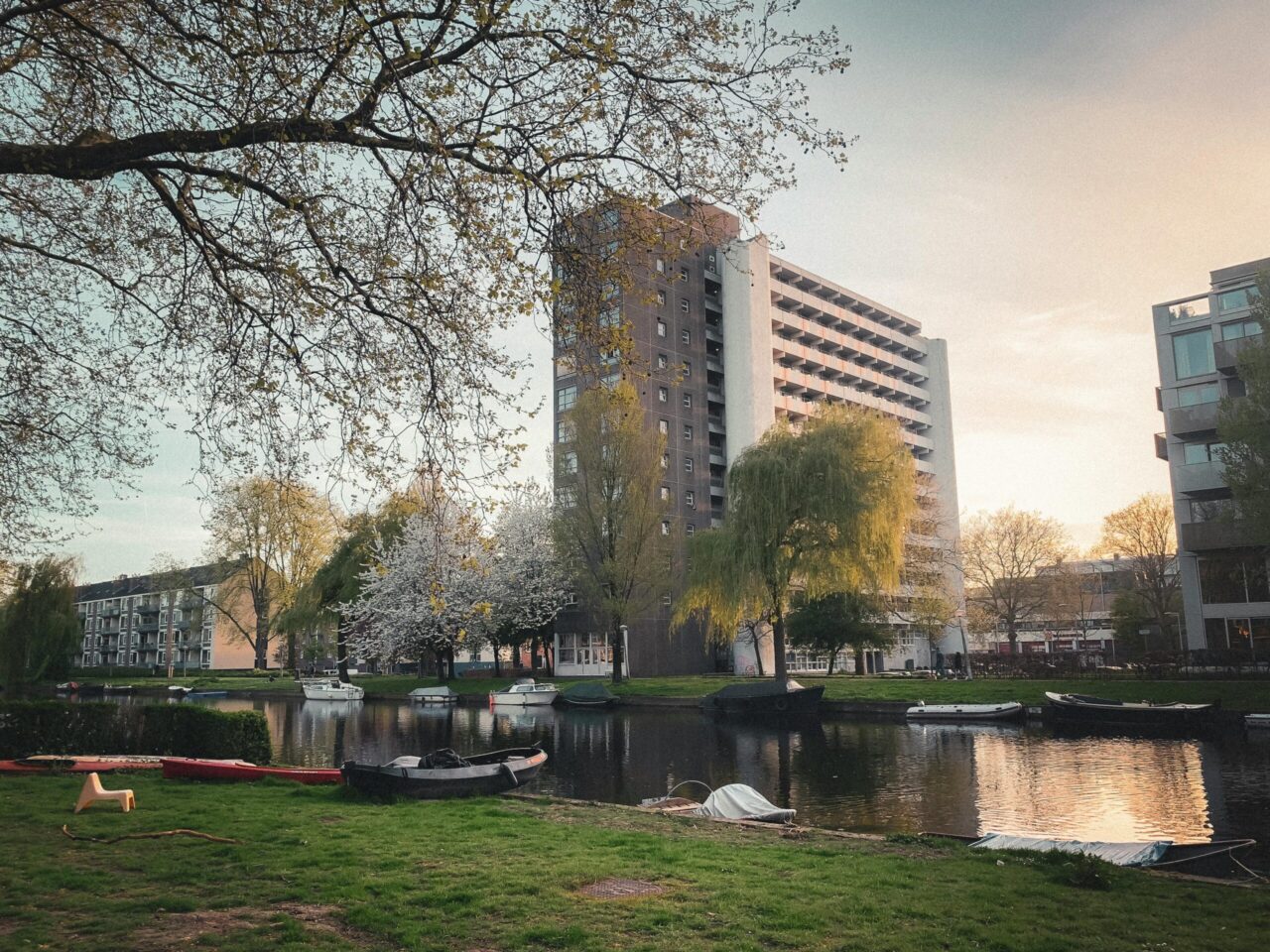
Keys dropped into an Amsterdam canal are gone permanently in practical terms, so the job becomes opening your door and producing a replacement key rather than recovery.
Every year a remarkable number of keyrings end up in the water. Off a bridge while taking a photo, out of a coat pocket while unlocking a bike, over the edge of a boat. The canals are deep, dark and silted, and a keyring lands somewhere in that silt within seconds.
Recovery is not realistic
People ask about magnets. Most modern keys are brass or nickel silver and are not magnetic at all, and even the steel ones sit under a layer of mud alongside a century of other metal. Professional divers are only sent down for genuinely valuable items, and a set of house keys does not qualify.
The one advantage of this loss is certainty. Nobody is walking around with your keys. That means the risk is low, and unless the ring also carried an address tag, changing the cylinder is optional rather than urgent.
Getting back in and getting a new key
We open the door first, without damage wherever the cylinder allows it. Then we cut a fresh key on site. If your original is at the bottom of a canal and no spare exists anywhere, the cylinder can usually be decoded while it is still in the door, which produces a working key without replacing anything. Where the cylinder is certified, the security card that came with it is what allows new keys to be ordered. All of this is covered on our locksmith services page.
Bikes and boats
The same splash often takes a bike key with it. A frame lock key is usually replaceable from the code on the lock, so photograph that code now while the bike is still locked. Boat keys and mooring padlocks are worth keeping on a floating fob, which is the one accessory in this city that genuinely earns its place.
Before you assume it went in
Look at the edge first. Amsterdam quays have gaps, mooring rings, bollards and stacks of bikes, and a keyring that appears to have gone into the water regularly turns out to be sitting on a ledge or under a wheel a metre away. Two minutes with a phone torch along the kerb costs nothing and settles the question. If it genuinely went in, you at least know for certain, and certainty is worth something here.
Getting a spare made afterwards
With one working key and no spare, you are one bad moment away from repeating today. Have a second key cut from the original rather than from a copy, and leave it with someone who lives nearby. A certified key safe on your own wall does the same job for anyone who would rather not hand a key to another household.
Frequently asked questions
More answers sit on our locksmith FAQ page.
Can the keys be recovered from the canal?
Realistically no. Plan on a replacement instead.
Do I need to change the lock?
Usually not, unless the ring carried something showing your address.
Can you cut a key without the original?
Often yes, by decoding the cylinder in the door.
What if my key is certified?
New keys are ordered with the security card. Without the card, the cylinder is replaced.
How fast can you get to me?
Usually within 30 minutes, anywhere in the city.
Watched your keys go under?
Call +31 (0)20 210 1986 and we come out to open the door and cut a new key. For a spare set later, use our contact page.