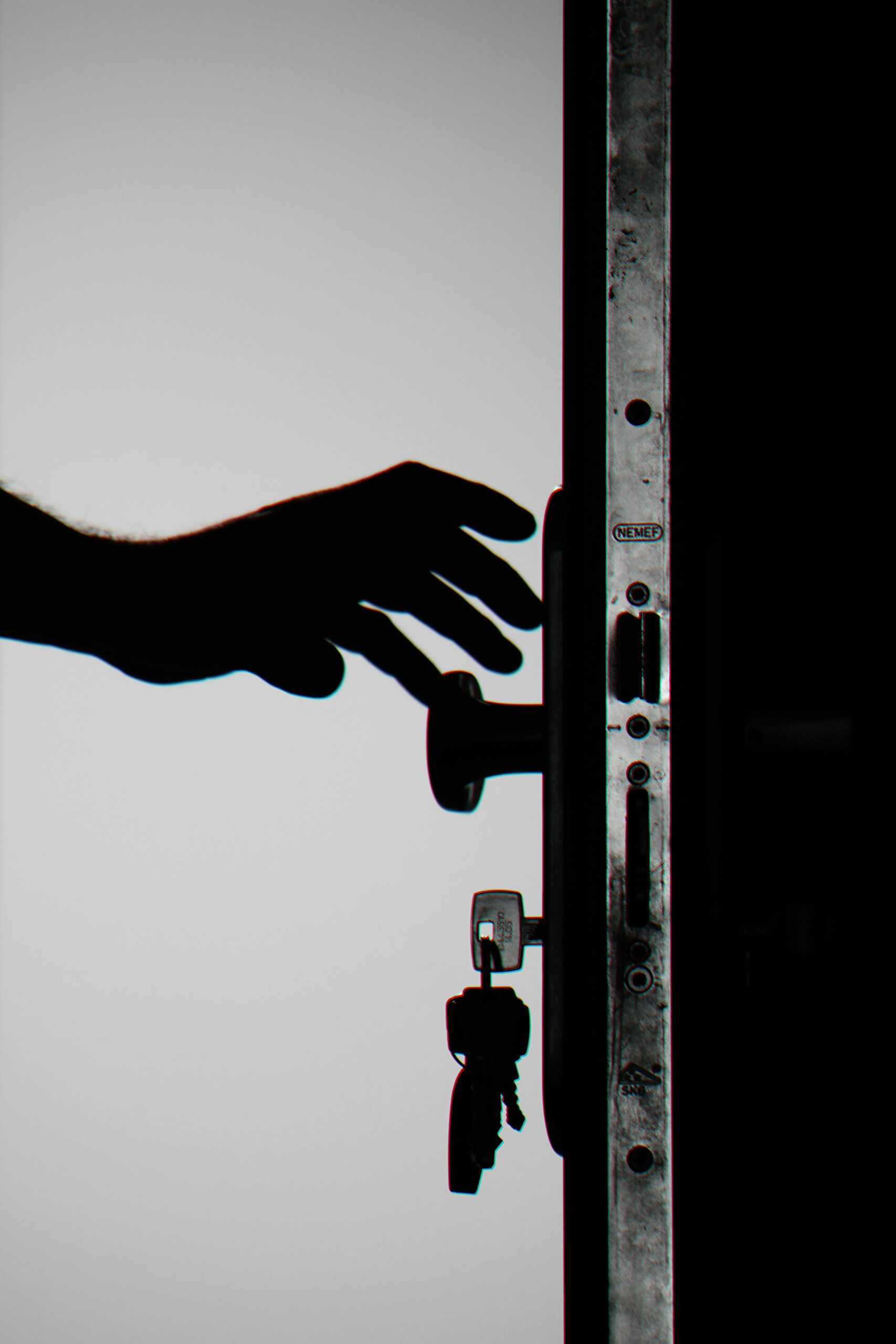
Houseboat locks are the locks on the doors, hatches and gangway of a boat used as a home; they have to resist damp and corrosion, keep working when the hull moves and shifts the frames, and secure entrances that are reachable from the water as well as from the quay.
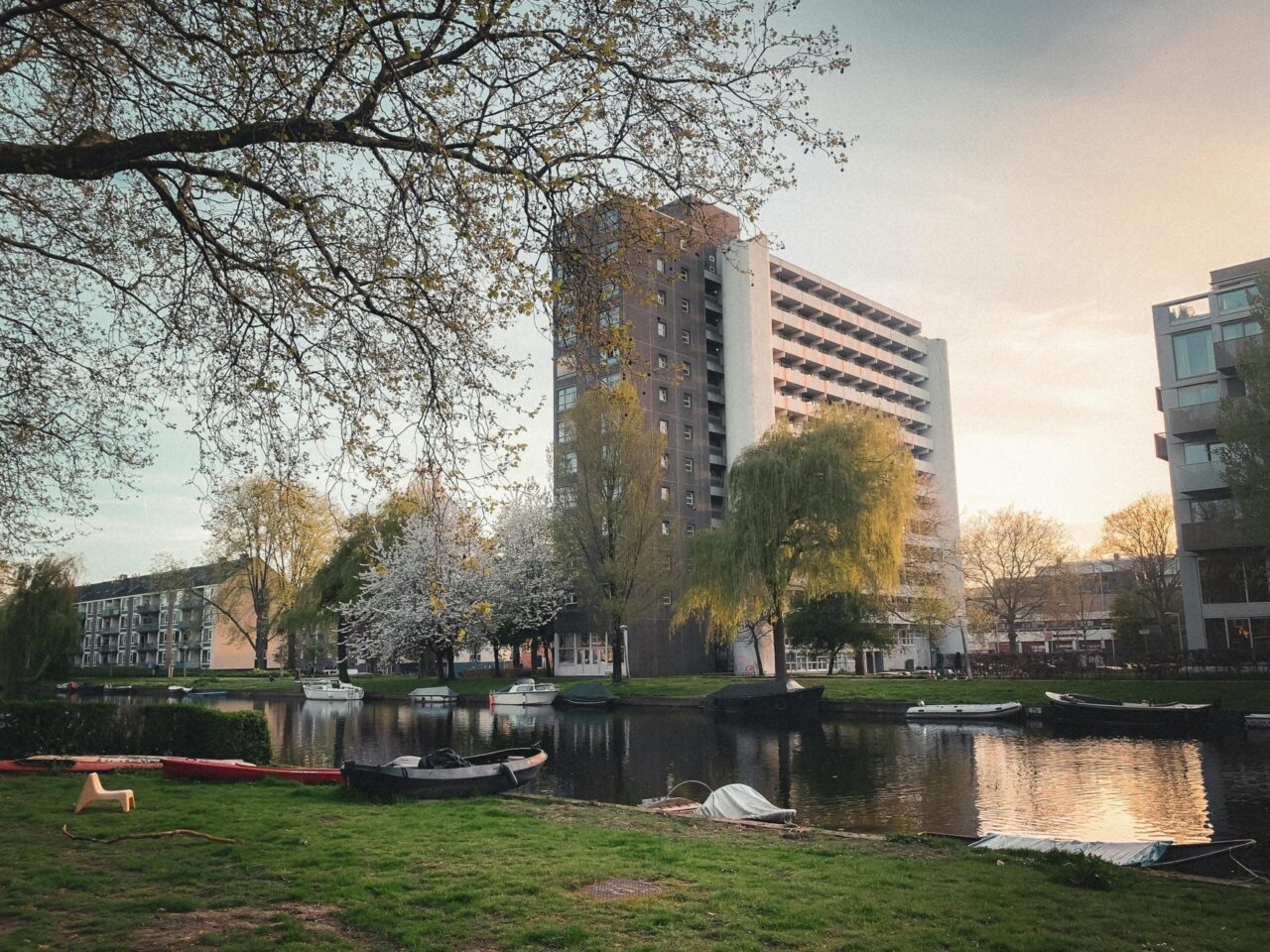
Thousands of people in Amsterdam live on the water. A houseboat is a home with a few extra problems a house does not have: the whole thing moves, the air is always damp, and the back door opens onto a canal where a rowing boat can moor unseen. Standard house locks are not built for that. This blog explains what works on a boat.
Why normal locks fail on a houseboat
- Damp: cylinders and lock cases rust from the inside, keys start to stick within a season.
- Movement: the hull flexes with the water level and the wind, so doors and frames shift and bolts stop lining up.
- Exposure: the front door is often a few metres from a busy quay, the back is reachable by water.
- Hatches and skylights: they close with a simple catch and are easy to lift from the deck.
Cylinders and lock cases that last
Choose cylinders in stainless or marine grade finishes, with anti snap protection and a security plate, exactly as on a house. Have them treated with a dry lubricant and cleaned every year; grease and oil hold the damp in. Lock cases and bolts in a treated or stainless finish last years longer than the standard parts fitted on many boats. The lock security page explains the levels that matter.
Doors, hatches and the gangway
- Fit a lockable bolt to every hatch and skylight that can be reached from the deck.
- The water side door needs the same cylinder as the quay side door, not a lighter one.
- A lockable gangway or a chain on the gangway stops casual visitors; it does not stop a determined burglar, so the door still does the work.
- Bicycles and outboard motors on deck: lock them to the boat, not to each other.
Doors that have shifted
If the key turns but the bolt scrapes, or the door only locks when you lift it, the frame has moved with the hull. Adjusting the keep and the hinges is a small job, and it is better than forcing a lock that will fail in winter. Our lock replacement service fits new cylinders and lock cases in the same visit if the old ones are corroded.
What we do
Locksmith Amsterdam works on houseboats along the canals and the Amstel, from the Grachtengordel to the harbours. We fit marine grade cylinders, bolts for hatches and adjust shifted doors. Our page on our locksmith in the Grachtengordel describes how we reach addresses on the water and the quays. The price is confirmed before we start.
Frequently asked questions
Do houseboats need different locks than houses?
The security level is the same, but the parts should be stainless or marine grade and fitted to allow for movement of the hull.
Why does my houseboat key stick?
Damp and corrosion inside the cylinder, or a frame that has shifted with the water level. Cleaning and adjustment usually solve it.
How do I secure hatches and skylights?
With lockable bolts fitted inside. A simple catch can be lifted from the deck.
Is the water side of a houseboat a real risk?
Yes. A small boat can moor unseen. The water side door needs the same lock as the quay side.
Does Locksmith Amsterdam come to houseboats?
Yes. Call +31 (0)20 210 1986 and give the mooring address. We reach boats along all the Amsterdam canals.
Want your houseboat properly locked before winter? Call Locksmith Amsterdam on +31 (0)20 210 1986. We fit marine grade cylinders and hatch bolts and confirm the price before we start.